Car‑Light Living in Walkable West Hollywood Condos
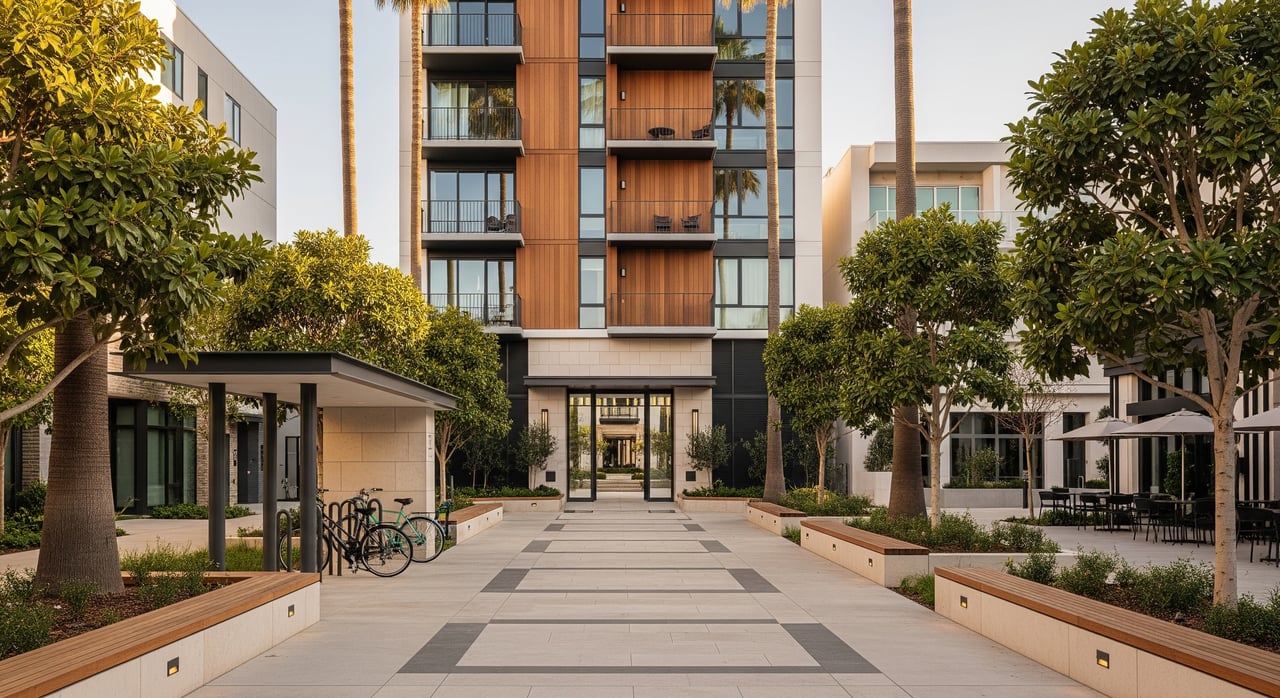
Could you run most of your week without a car in West Hollywood? If you picture morning coffee on Santa Monica Boulevard, a quick walk to the gym, and dinner on the Sunset Strip, you’re already close. Many condo owners here rely on walking, the bus, and occasional ride‑hail to keep life simple and flexible. In this guide, you’ll learn how car‑light living works in WeHo, which building features make it easy, and what to verify before you buy or sell. Let’s dive in.
West Hollywood centers around compact, active corridors like Santa Monica Boulevard, Sunset Boulevard, Melrose Avenue, and La Cienega. You’ll find groceries, pharmacies, cafes, gyms, and services clustered along these streets. Blocks are short in many areas, so errands often take minutes on foot. Residential pockets farther north toward the hills feel quieter and are less walkable by comparison, so your exact address matters.
There is no heavy‑rail Metro station within West Hollywood’s city limits. Bus routes on the key east–west corridors fill the gap, with frequency that varies by time of day and line. Many residents combine walking with bus service, rideshare, and occasional carshare for longer trips and airport runs. Shared scooters and bikes may be available around central corridors, though docking and availability can vary by block and hour.
West Hollywood Park and Plummer Park sit within the urban core, offering fitness and community programming. Larger open spaces like Runyon Canyon and Griffith Park are nearby in adjacent areas for weekend hikes. If outdoor time is part of your routine, being near these parks reduces the impulse to drive for recreation.
The Sunset Strip concentrates restaurants, bars, and live music venues. If you enjoy a vibrant evening scene, a central WeHo condo lets you walk to dinner and entertainment. If quiet nights are a priority, consider how close you want to be to late‑night activity and foot traffic.
Many West Hollywood condos include at least one assigned parking space, but smaller or older buildings may rely on street parking or have no dedicated stalls. Tandem or stacked parking is common where land is tight. These setups work for car‑light households but can make spontaneous car use less convenient. If you plan to drive occasionally, confirm guest parking policies and any street‑parking permit rules for visitors.
Demand for EV charging is rising. In a condo, adding chargers often depends on HOA rules and the building’s electrical capacity. Some HOAs use an approval process and may require owners to share costs for common‑area upgrades. If EV ownership is a must for you, verify policies, waitlists, and infrastructure plans before you write an offer.
Secure bike rooms, monitored areas, and e‑bike or scooter charging ports are a strong signal that a building supports car‑light living. Dry, ventilated storage for seasonal gear can eliminate the need for a separate storage unit and the car trips that come with it.
Use this quick checklist during your search and showings:
Tip: Ask for estimated walking times in minutes rather than distances in miles. It’s a clearer reflection of how you will actually live.
Lead with lifestyle moments a buyer can picture. Morning coffee on Santa Monica Boulevard, groceries a few minutes away, a short walk to West Hollywood Park, and dinner on Sunset are compelling proof points for buyers who value time and convenience.
Summarize the EV charger policy, any completed electrical upgrades, and how the approval process works. If a charger plan is in motion, note timelines and expected costs. Clarify guest parking rules and any permit programs.
Buyers consistently pay premiums for walkable urban locations with strong access to daily amenities. In West Hollywood, condos marketed as car‑light friendly attract interest from young professionals, downsizers, and buyers seeking lower transportation costs and a simpler routine. Make the car‑light value visible and specific.
Local governments in the region have been reassessing parking minimums for new development, especially near higher‑quality transit. Rules and timelines vary by jurisdiction, so verify the current West Hollywood municipal code if you are evaluating new construction or conversions. HOAs are pivotal for day‑to‑day living: bylaws guide guest parking enforcement, EV charger approvals, bike storage, and whether common areas can be repurposed. If you are considering an investment purchase, be aware that West Hollywood has strict short‑term rental regulations. Confirm the latest rules, permit requirements, and any building‑specific restrictions.
Choosing the right address is the difference between car‑light ease and constant compromise. You want a team that understands which West Hollywood buildings offer secure bike rooms, reliable package handling, EV readiness, and layouts that support remote work. With a boutique, white‑glove approach and deep local relationships, our team prioritizes discretion, off‑market access, and a calm, coordinated process from first tour to closing.
Ready to explore a curated list of West Hollywood condos that make car‑light living effortless? Request a private, confidential consultation with the team at Nancy Ellin Realty Group - Hartleigh Haus.
Stay up to date on the latest real estate trends.
Whether you are relocating or an LA native, Nancy's knowledge, expertise and relationships will help buy or sell your home in Beverly Hills or Bel Air. Her full service approach, hand holding every step of the process while maintaining the highest level of attention to detail.