Torn between a private estate and a lock-and-leave condo in Beverly Hills? You are not alone. Many bicoastal executives and established families weigh space, privacy, and ease of living against costs, governance, and long-term flexibility. In this guide, you will see how each option fits different lifestyles, what to expect financially and legally, and a practical framework to make a confident decision. Let’s dive in.
Beverly Hills living at a glance
Beverly Hills sits at the top of Los Angeles luxury, with grand single-family estates and high-end condominium buildings in a compact city. Buyers are a mix of local and international decision-makers, entertainment and tech executives, and families seeking privacy and strong daily convenience. Price points are high across the board, and liquidity varies by asset type and tier. Ultra-luxury estates can take longer to sell than more common property types, while certain trophy condos can also be scarce and slower moving.
Estate vs condo: lifestyle fit
Space and daily life
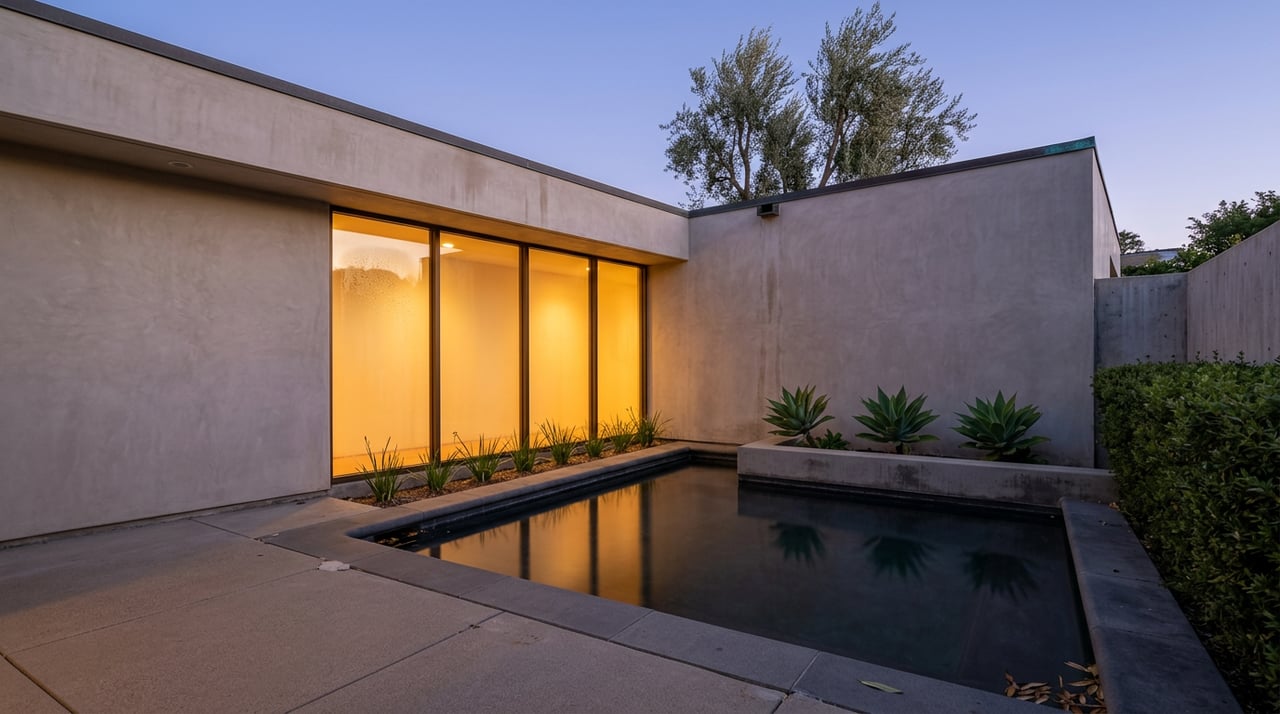
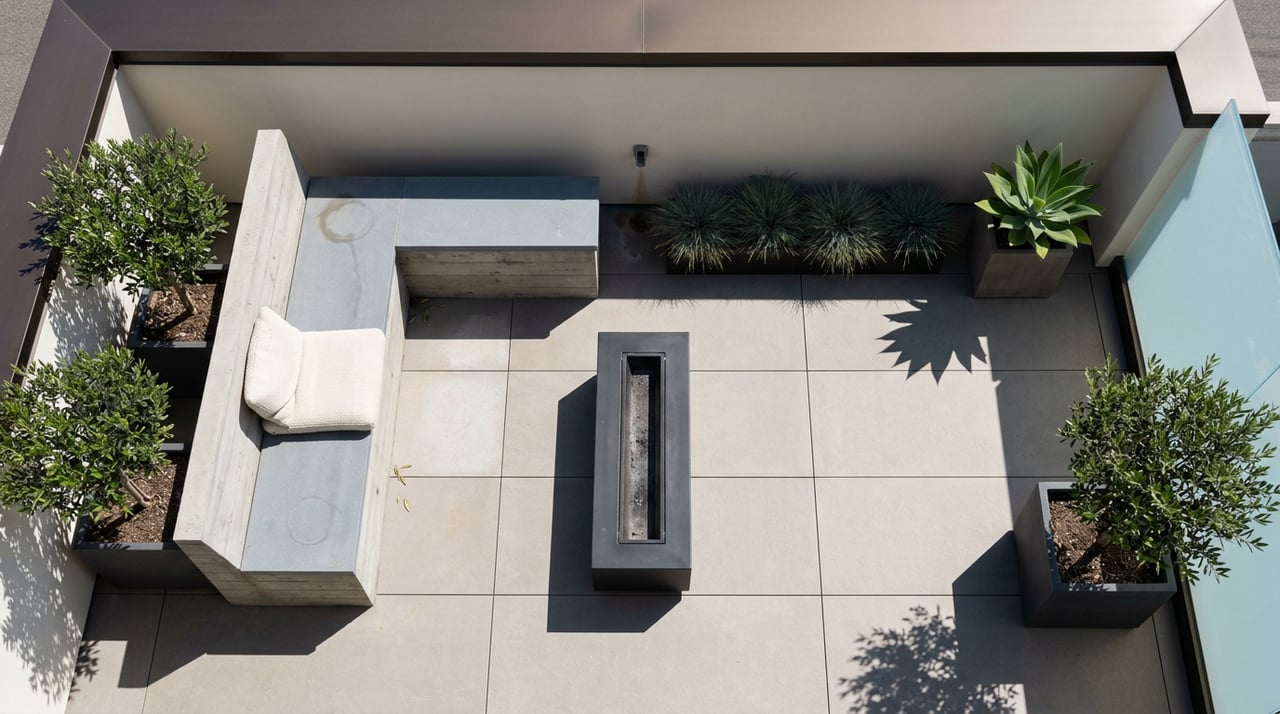
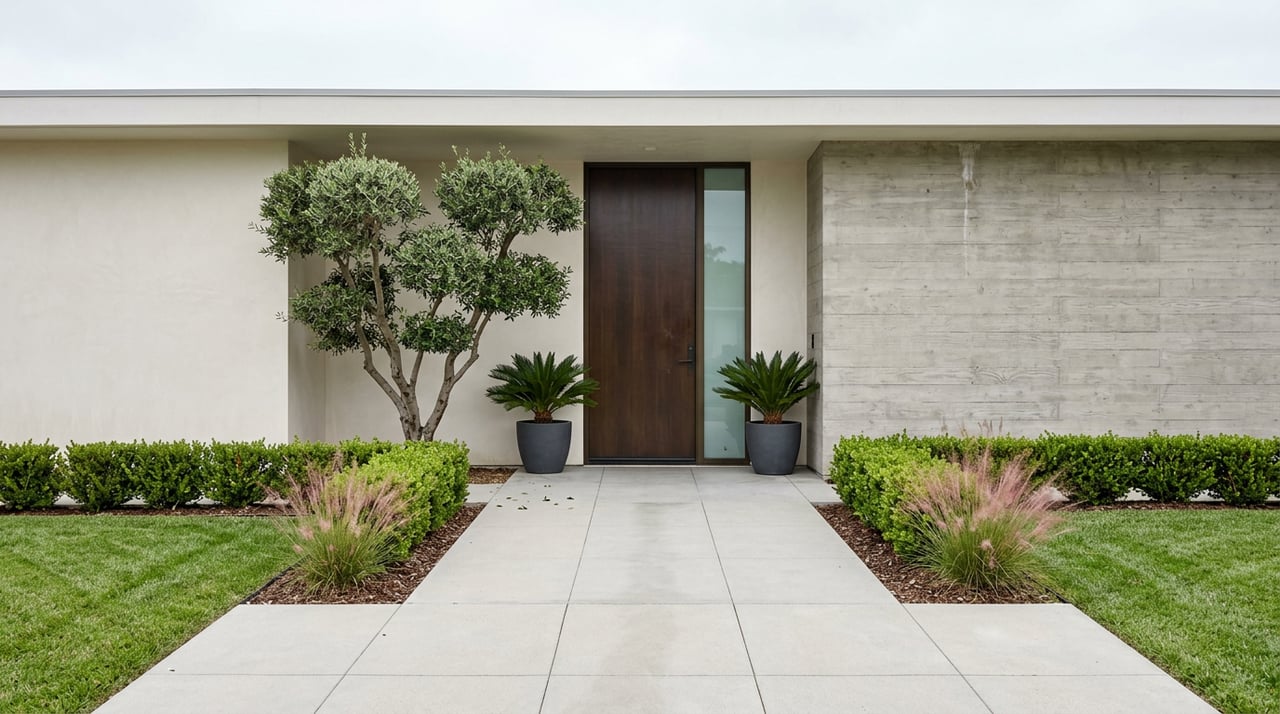
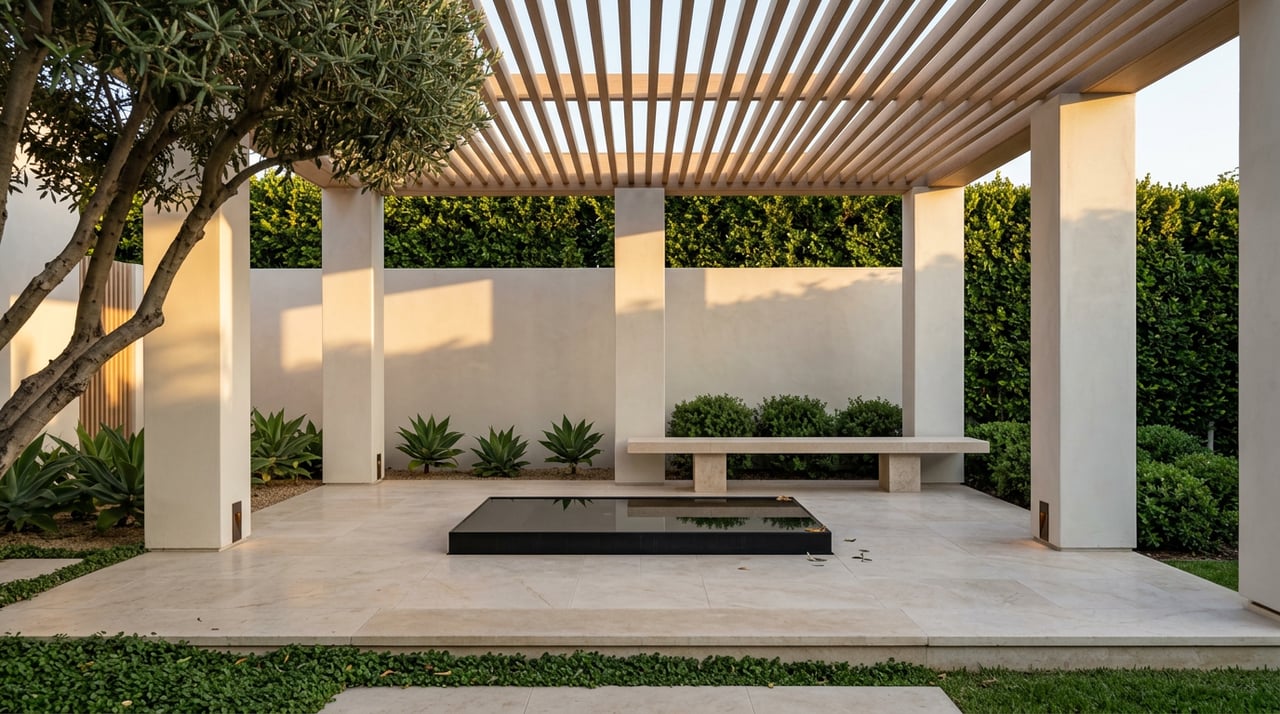
- Estates: Expect private outdoor areas for dining, play, and wellness, plus room for guest or staff suites and garages. You can tailor and expand spaces with the right permits.
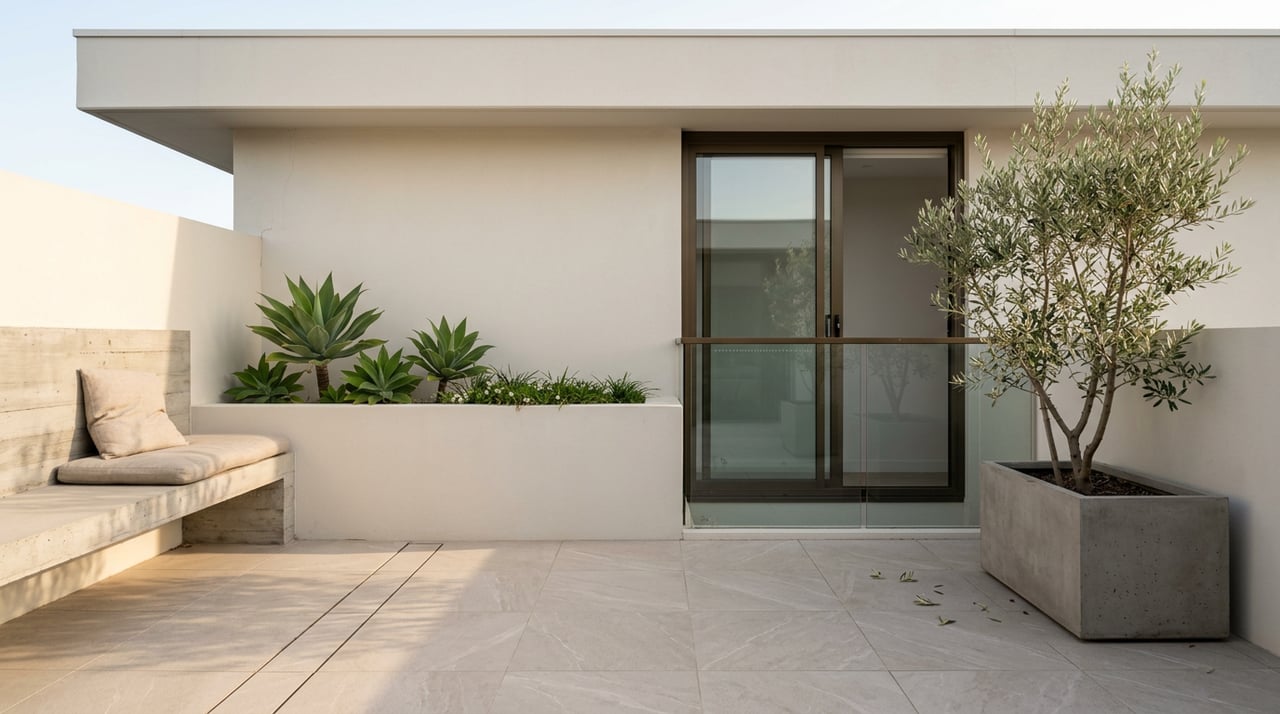
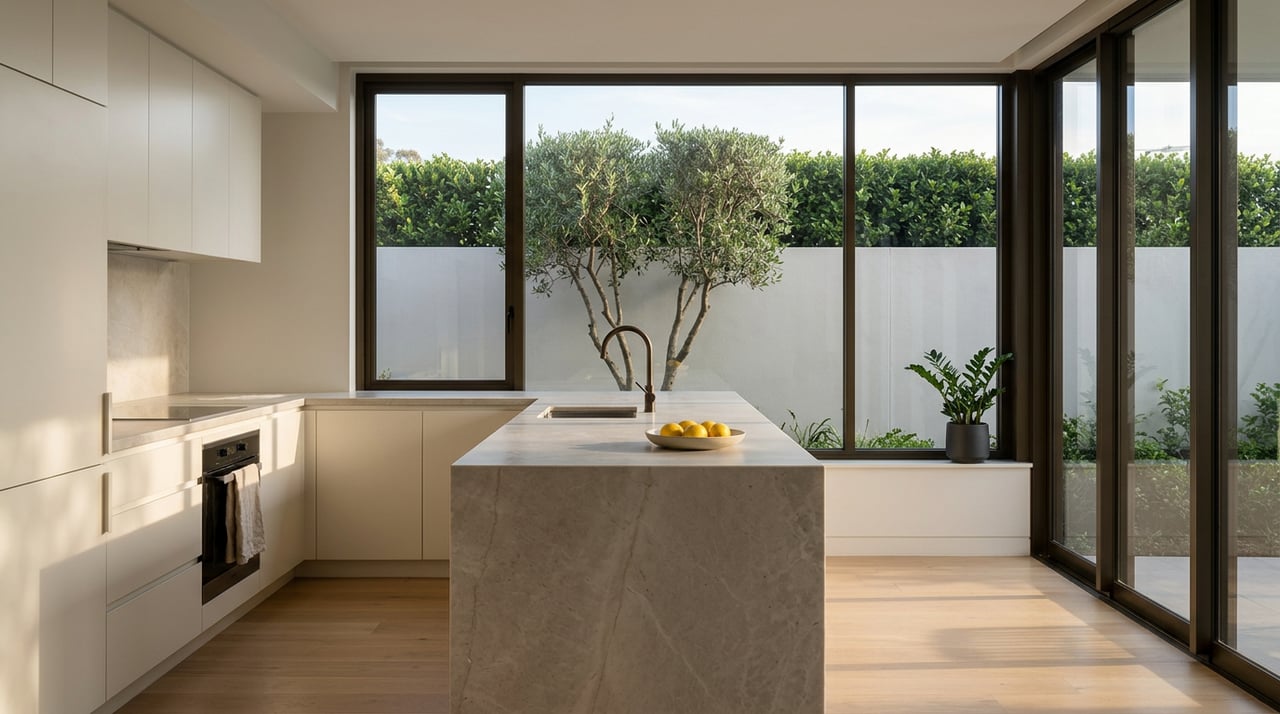
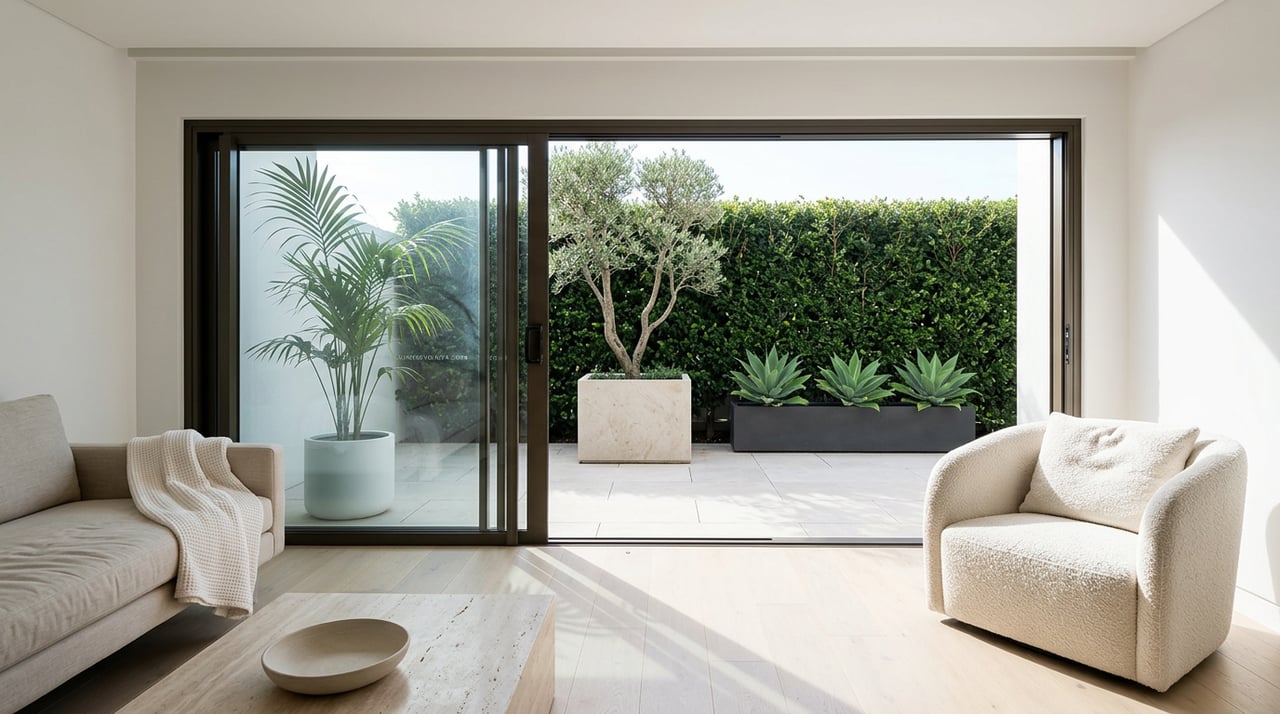
- Condos: You gain streamlined, low-maintenance living with services that support a busy schedule. Private outdoor space is limited to balconies or shared rooftops.
Privacy and security
- Estates: You control access with gates, systems, and staff if needed. Perimeter security can be complex and more expensive to operate.
- Condos: Most luxury buildings offer controlled entry, staffed lobbies, and communal surveillance. You trade some private outdoor space for building-level security and anonymity.
Amenities and services
- Estates: You can build bespoke amenities like a theater or gym, but you fund and manage them.
- Condos: Building amenities such as concierge, valet, fitness centers, spas, and meeting rooms are included through HOA dues, making high-touch services easy to access.
Walkability and location
- Central flats: Condos near the commercial corridors maximize walkability to dining, retail, and services.
- Hillsides: Many estates offer seclusion and views but typically require driving for daily needs and school drop-offs.
Parking and hosting
- Estates: Private driveways and garages simplify hosting and staff parking.
- Condos: You will have assigned resident parking and guest parking, but guest capacity and policies vary by building.
Costs and carrying model
Purchase price and resale
Valuation drivers differ across product types. Estates are influenced by lot size, privacy, outdoor amenities, and architectural pedigree. Condos hinge on floor plans, views, building reputation, services, and location within the building. At the very top of the market, both estates and penthouse-level condos can have longer marketing timelines and limited comparable sales, which can make appraisals and pricing strategy more nuanced.
Ongoing costs you should expect
- Estates: Budget for property taxes, larger utilities, landscaping, pool service, exterior care, pest control, and higher insurance premiums. For significant properties, household payroll can be a meaningful recurring line item.
- Condos: HOA dues cover common areas, building insurance for structural elements, landscaping, and staffing. You still handle interior upkeep and may face special assessments. Review HOA budgets and reserve studies to gauge the true cost of ownership.
A smart move is to model a 5 to 10 year outlook that compares HOA dues and assessment risk against itemized estate maintenance, staffing, insurance, utilities, and capital reserves.
Financing realities
Most purchases in this segment use jumbo financing. Lenders review different risks for each product:
- Condos: Project approval, owner-occupancy mix, reserves, litigation status, and governance can affect loan options.
- Estates: Property condition, seismic or hillside factors, accessory units, and permitting history influence underwriting.
Down payment requirements and pricing may shift at very high loan amounts or for non-owner occupants. Work with lenders who know the Los Angeles luxury market.
Taxes and planning
California’s property tax base is governed by Proposition 13, with reassessment at purchase and limited annual increases thereafter. Supplemental assessments may apply after closing. Federal rules on mortgage interest and state and local tax deductions affect high-income scenarios. Prop 19 changed certain transfer and portability rules that may factor into intergenerational planning. Consult your tax advisor on your specific situation.
Insurance and hazards
Standard homeowner policies in California do not include earthquake coverage. Both estate and condo owners should evaluate earthquake insurance. Hillside estates can face added exposure to landslides, erosion, or brushfire and may require mitigation or specialized reports. Condo buyers should review the master policy, owner-responsible gaps, and the need for HO‑6 coverage for improvements and loss assessments.
Governance and rules
HOA documents to review
If you lean toward a condo, request and review:
- Covenants, Conditions and Restrictions (CC&Rs)
- Bylaws and rules
- Reserve study and annual budgets
- Meeting minutes and litigation history
- Insurance certificates and master policy details
Look closely at rental policies, renovation rules, reserve funding levels, and any history of special assessments or litigation. These factors can influence financing, enjoyment, and resale.
Zoning, permits, and projects
For estates, confirm city and county planning rules on setbacks, floor-area ratios, historic designations, and hillside development codes. Major renovations can require thorough environmental and permitting reviews with longer timelines and higher costs. A permits audit can help you understand what was done in the past and what is possible going forward.
A practical decision framework
Quick self-assessment checklist
Ask yourself:
- How often will you be in Beverly Hills, and is this a primary home, pied-à-terre, or seasonal base?
- What are your bedroom count and layout needs, and do you require a private yard or pool?
- How often will you entertain, and what does guest parking or valet access look like for your events?
- How sensitive are you to privacy and security, and do you require staffed support?
- Do you prefer hands-on management or turnkey living with building services?
- Is this a legacy home or an asset you want flexibility to sell or rent later?
- What are your tax and estate-planning priorities?
- What annual operating budget range feels right for you?
Five-step due diligence plan
- Financial: Build a 5-year carrying-cost model that includes taxes, insurance, utilities, staffing, maintenance, HOA dues, and capital reserves. Confirm mortgage pre-approval with a luxury jumbo lender.
- Condo documents: Analyze HOA budgets, reserve studies, insurance coverage, and any history of special assessments or litigation.
- Estate inspections: Complete a home inspection, seismic or hillside evaluation, geotechnical report for hillside lots, pest inspection, and pool or spa compliance review.
- Title and rules: Check for easements, rights-of-way, and any local zoning or historic constraints that affect future changes.
- Lifestyle testing: Visit at different times of day. For condos, speak with the manager or staff if possible and confirm amenity hours and guest policies. For estates, estimate staffing and vendor availability.
Decision tools that clarify trade-offs
Use a weighted decision matrix to score candidate properties on privacy, maintenance burden, security, convenience, proximity, resale potential, and total cost of ownership. Pair this with a side-by-side pro forma for year one and a 5-year outlook. Seeing the numbers, rules, and lifestyle impacts together makes the right choice obvious for many buyers.
Who each option suits
The bicoastal executive
You may prefer the ease of a luxury condo with 24/7 security, concierge, and minimal maintenance. If you want more autonomy, a smaller, well-serviced estate can work, but will likely require higher operating costs to match the same lock-and-leave comfort.
The established family
An estate often wins when you want multiple bedrooms, a private yard, and flexible space for long-term living. A large multi-bedroom condo can still be compelling if you value services and simplicity over private outdoor space.
The multi-home owner or investor
Your decision may hinge on carrying costs, rental flexibility, and liquidity. Estate ownership can deliver privacy and uniqueness, while condo ownership is shaped by HOA rules, rental limitations, and the building’s reputation for resale.
How we help you decide
Choosing the right Beverly Hills base is personal. You deserve a discreet, senior-level partner who can translate lifestyle goals into smart property choices and orchestrate the many moving parts. We coordinate the right introductions, from lenders experienced in luxury jumbo loans to building managers, insurance advisors, and local inspectors. We also prepare clear side-by-side comparisons so you can see the trade-offs in cost, governance, and day-to-day living before you commit.
If you would like a private, tailored plan for your search, connect with the team at Nancy Ellin Realty Group - Hartleigh Haus. Request a Private Consultation and take the next step with confidence.
FAQs
What is the main lifestyle difference between estates and condos in Beverly Hills?
- Estates provide private outdoor space, room to personalize, and full control of security, while condos deliver amenity-rich, low-maintenance living with building services and staffed security.
How do HOA dues and special assessments affect condo ownership?
- Monthly dues fund amenities, staffing, and building systems, and special assessments can arise for major projects. Review budgets and reserve studies to understand true costs.
What should I review before buying in a luxury condo building?
- Analyze CC&Rs, bylaws, rules, reserve studies, budgets, meeting minutes, litigation history, and insurance policies to check for restrictions, funding strength, and risk.
Are estates more expensive to maintain than condos?
- Estates often carry higher operating costs for landscaping, pools, exterior upkeep, insurance, and potential staff. Condos shift many of these costs into HOA dues but may add assessment risk.
How does earthquake insurance work for estates and condos?
- Standard policies exclude earthquakes. Estate owners typically add separate coverage, while condo owners should confirm what the master policy covers and consider HO‑6 earthquake coverage for gaps.
Which option is better for a lock-and-leave lifestyle?
- Most buyers find luxury condos best for lock-and-leave living due to concierge, security, and HOA-managed maintenance. A smaller, well-managed estate can be configured similarly at higher cost.
How do resale dynamics differ between estates and condos?
- Resale for condos depends heavily on the building’s reputation, amenities, and unit position. Estates are driven by lot, design, and privacy and can take longer to find the right match at the ultra-luxury level.