Bel Air vs Holmby Hills: Which Luxury Setting Fits Best?
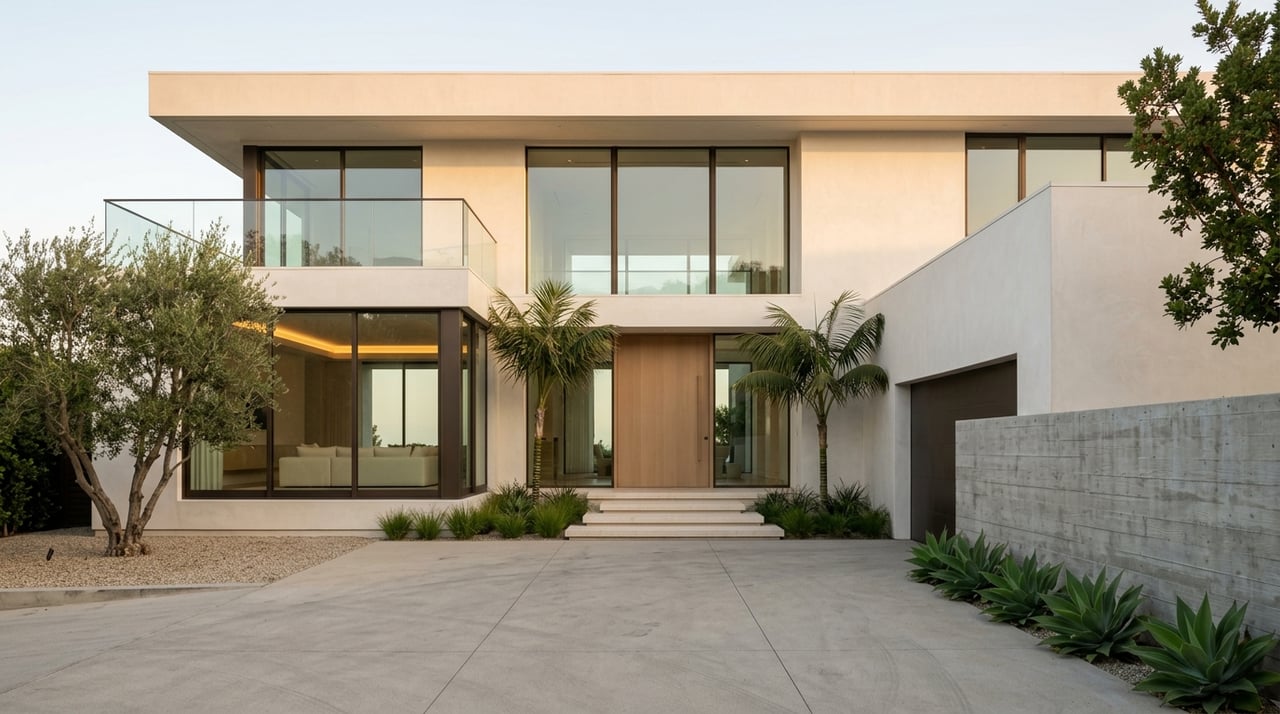
Choosing between Bel Air, Holmby Hills, and Beverly Hills is not just about price or prestige. It is about how you want your day to feel when you pull into the driveway, step outside, or head out for dinner. If you are weighing these three iconic Los Angeles addresses, understanding the differences in privacy, streetscape, architecture, and daily rhythm can help you focus on the right fit. Let’s dive in.
At first glance, Bel Air, Holmby Hills, and Beverly Hills can seem interchangeable. All three are known for luxury homes, mature landscapes, and a long-standing reputation for estate living.
But the public record shows they operate very differently. Bel Air is planned primarily as a residential hillside district with limited neighborhood commercial activity, Holmby Hills is a separate estate neighborhood centered on preserving quiet residential character, and Beverly Hills is an incorporated city with a much more active commercial core and several distinct residential areas.
Bel Air stands out for seclusion. City planning documents describe parts of the area as free from through-traffic, and historic survey materials note that many homes are screened from public view by gates, hedges, walls, setbacks, and hillside siting.
That matters if privacy is high on your list. In Bel Air, the setting often feels intentionally removed from the pace of the city, even though you are still in Los Angeles.
Bel Air is overwhelmingly residential in character. The community plan identifies only a few concentrated commercial nodes, and survey materials confirm that commercial properties are uncommon within the neighborhood itself.
In practical terms, your daily routine is less about walking to a retail corridor and more about enjoying a quiet residential setting. Shopping and dining are typically accessed outside the core estate streets rather than woven into the neighborhood fabric.
Bel Air’s housing stock is dominated by single-family homes and estate properties. The city’s historic survey highlights a wide range of architectural styles, including American Colonial Revival, Spanish Colonial Revival, Tudor Revival, French Revival, Mediterranean Revival, Mid-Century Modern, and Ranch.
The Bel Air Estates planning district is especially telling. It includes expansive, irregularly sized parcels, winding streets that follow the land, large residences, narrow roads without sidewalks, and grounds that often include lawns, gardens, pools, and tennis courts.
Bel Air is often the strongest match if you want:
If your ideal luxury experience is discreet, hidden, and centered on the home itself, Bel Air often rises to the top.
Holmby Hills shares the estate pedigree of Bel Air, but it reads a bit differently. Its homeowners association describes a clear mission to preserve the area’s quiet, residential character and resist construction that feels out of scale or out of context.
That creates a neighborhood identity that feels highly intentional. Holmby Hills is quiet and exclusive, yet it also benefits from close adjacency to established commercial districts.
Holmby Hills was laid out with large lots in mind, and its history reflects a strong emphasis on landscape preservation. The neighborhood notes that zoning was created to guarantee large lot size, while buried utilities and tree-lined streets were used to protect the visual character.
The result is an estate environment that often feels more formal and enclosed. Compared with Bel Air’s winding hillside identity, Holmby Hills can feel more composed and classically structured.
Holmby Hills is strongly tied to the period-revival era. The city’s survey identifies a Holmby Hills Residential Planning District dating from 1919 to 1941, and preservation references highlight notable French Revival and French Provincial estate design in the area.
If you are drawn to classic estate architecture, mature grounds, and a polished residential setting, Holmby Hills has a very distinct presence. The neighborhood’s character comes from lot size, landscaping, and a long-established sense of scale.
One of Holmby Hills’ biggest advantages is where it sits. It is positioned between Beverly Hills and Westwood, and Westwood Village today includes more than 260 neighborhood-serving businesses, retail options, and restaurants.
That means Holmby Hills can offer a middle ground. You get a very estate-oriented residential environment, but you remain close to active village-style shopping and dining without living directly in a high-traffic commercial district.
Holmby Hills may be the right fit if you want:
For many buyers, Holmby Hills is the bridge between total retreat and practical access.
Beverly Hills is the most public-facing and commercially active of the three. It is also the only incorporated city in this comparison, which gives it a different structure and identity.
Importantly, Beverly Hills is not one uniform residential environment. The city separates single-family regulation into the Central Area, Hillside Area, and Trousdale Estates, with different rules tied to design review, setbacks, landform alteration, and view preservation.
If Bel Air is the most secluded and Holmby Hills is the most formal estate alternative, Beverly Hills is the most socially active. Official city tourism materials say the city covers less than six square miles and grows from about 31,000 residents to roughly 250,000 people during the day.
That daytime energy is concentrated in a walkable retail and dining core. The Golden Triangle is described as compact and easily accessed on foot, with stores, restaurants, and hotels clustered together.
Among the three, Beverly Hills offers the most immediate access to restaurants, retail, and pedestrian activity. Public city materials point to Rodeo Drive, Two Rodeo Drive, Beverly Drive, Cañon Drive, and Restaurant Row as major commercial anchors.
For some buyers, that kind of convenience is the deciding factor. If you enjoy stepping out into a polished, active environment rather than retreating into a purely residential setting, Beverly Hills can feel much more connected.
Beverly Hills also has the broadest publicly cataloged range of residential styles. The city’s design materials identify American Colonial, Georgian and Federal Revival, English Cottage, Tudor, French Normandy, Spanish Colonial, Monterey, and Contemporary among the recognized styles.
That architectural breadth gives buyers more variety. Depending on the specific area, you may find flatter residential blocks, hillside homes, or highly distinct estate pockets with different streetscapes and development rules.
Beverly Hills may be the best fit if you want:
If your lifestyle leans social, connected, and amenity-rich, Beverly Hills usually stands apart.
| Area | Best Known For | Daily Rhythm | Commercial Access |
|---|---|---|---|
| Bel Air | Privacy and seclusion | Quiet, residential, low-traffic | Limited within the neighborhood |
| Holmby Hills | Formal estate character | Quiet, estate-focused, but well-positioned | Close to Westwood Village and Beverly Hills |
| Beverly Hills | Walkability and amenities | Active, social, pedestrian-friendly in key areas | Strongest immediate access |
The best choice depends on what you value most in daily life. If privacy is your top priority, Bel Air is the clearest fit based on its hillside planning, hidden homes, and limited internal commercial activity.
If you want estate living with a polished, classic feel and easier adjacency to established retail districts, Holmby Hills offers a compelling middle path. If you want the strongest blend of luxury housing, walkability, shopping, and dining, Beverly Hills delivers the most active day-to-day environment.
For many luxury buyers, the real decision is not which name is most famous. It is which setting supports the way you want to live, host, move through the city, and come home.
In markets like these, nuance matters. The right guidance can help you look beyond reputation and focus on layout, access, privacy, and the lived experience each address actually offers.
If you are considering a move in Bel Air, Holmby Hills, or Beverly Hills, Nancy Ellin Realty Group - Hartleigh Haus offers discreet, high-touch guidance tailored to the way you want to live.
Stay up to date on the latest real estate trends.
Whether you are relocating or an LA native, Nancy's knowledge, expertise and relationships will help buy or sell your home in Beverly Hills or Bel Air. Her full service approach, hand holding every step of the process while maintaining the highest level of attention to detail.