Reading The Fine Print In West Hollywood Condos
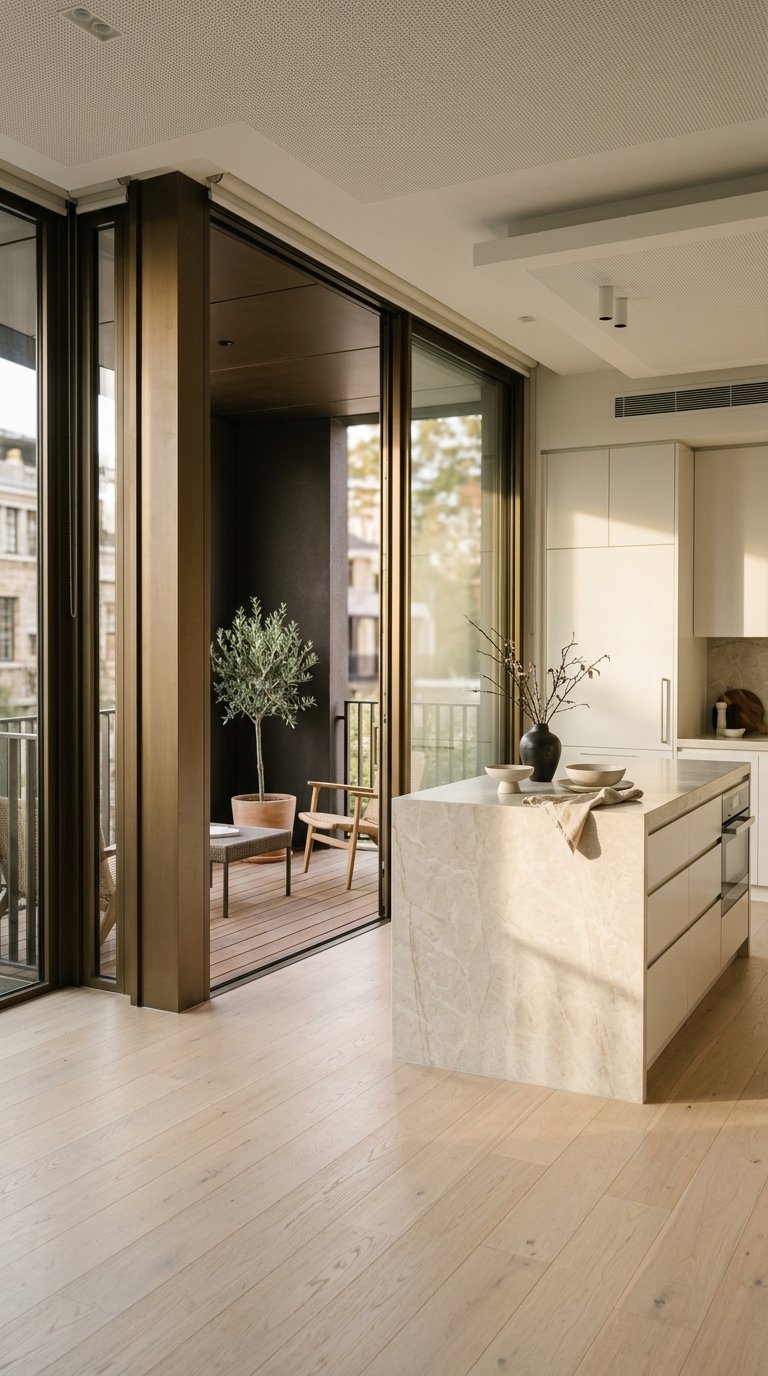
If you are buying a condo in West Hollywood, the biggest surprise may not be the price, the finishes, or the view. It may be the fine print. In this part of Los Angeles, especially near the Sunset Strip, a condo is not just a private residence. It is also part of a closely managed shared community shaped by HOA rules, city regulations, and the day-to-day realities of a dense, walkable entertainment district. Read closely, and you can avoid expensive surprises. Let’s dive in.
West Hollywood offers a very specific condo lifestyle. The Sunset Strip runs through the heart of the city and mixes restaurants, hotels, music venues, nightlife, and retail within a compact 1.6-mile stretch. The area is also known for walkability and pedestrian-friendly policies, which means your building choice can affect your daily routine as much as your unit itself.
That matters because in West Hollywood, building operations often shape your living experience. Noise policies, guest access, valet activity, deliveries, and after-hours traffic can all influence whether a building feels calm and residential or more active and hotel-like. A beautiful lobby and strong views are only part of the story.
The city’s Neighborhood and Business Safety division enforces rules tied to noise, property maintenance, short-term rentals, zoning, and public right-of-way issues. For you as a buyer, that means the practical details of how a building is run deserve real attention before you close.
In a California condo, HOA membership is automatic when you buy. That makes the governing documents some of the most important papers in your transaction. They tell you how the building functions, what is allowed, what owners must pay for, and how the association operates.
The CC&Rs are the building’s core rules. They typically spell out use restrictions, common-area responsibilities, assessment obligations, insurance requirements, and architectural controls. If you want to understand what ownership will really look like, start here.
This is where you may find limits on renovations, leasing, pet rules, and owner responsibilities. In a luxury condo setting, these details can affect your comfort, flexibility, and long-term costs.
Bylaws explain how the board is elected, how long directors serve, and how meetings work. House rules often go a step further and address resident and guest behavior, move-in procedures, access policies, package handling, and common-area use.
These documents can reveal how active and organized a building really is. A professionally managed property may handle daily operations, but the board remains responsible for the association. In practical terms, the quality of both the board and the manager is part of what you are buying.
California law requires sellers to provide key association information. That includes governing documents, current regular and special assessments and fees, and any rental or leasing prohibition in the governing documents.
You can also request the last 12 months of approved board minutes and the most recent report from the state-required inspection process. Those records can help you spot recurring issues, upcoming projects, or signs of ongoing friction within the building.
A monthly HOA fee can look straightforward at first glance. In reality, it is the building’s operating budget, maintenance plan, and service model rolled into one. In luxury condo buildings, dues often reflect both physical upkeep and a certain level of staffing and convenience.
Regular assessments typically fund day-to-day operations and reserves. In West Hollywood luxury buildings, that can include staffing-heavy services such as concierge coverage, valet, security desks, package handling, pool and spa maintenance, and fitness facilities.
This is why two buildings with similar square footage can have very different dues. One may offer a simpler residential setup, while another supports a more service-driven environment. It is smart to ask what is included, what may be billed separately, and which amenities depend on labor rather than just space.
Reserve studies are one of the clearest windows into a building’s financial health. California law requires a visual inspection of major components at least once every three years when the statute applies, along with annual review of the study. The reserve summary must include estimated replacement cost, remaining useful life, and estimated remaining life for major components.
For you, that means the reserve section can show whether future expenses are being anticipated responsibly. If major components are aging and reserves are low, the risk of future special assessments may be higher.
If regular assessments are not enough, an association can levy special assessments. California law places limits on some large regular assessment increases and special assessments without owner approval, but that does not remove the risk altogether.
A buyer should look beyond whether a building has strong amenities and ask whether those amenities are being funded responsibly. A polished common area is nice. A well-planned capital strategy is better.
The annual budget report can be one of the most revealing parts of the condo package. In California, it includes a pro forma operating budget, a reserve summary, an insurance summary, and for condominiums, FHA and VA approval status.
Taken together, these materials can help you understand whether the association appears stable, under pressure, or likely facing major costs. They also help you compare buildings in a more informed way.
The insurance summary deserves a careful read. California law states that this summary is only a partial description of the HOA’s policies and should not be treated as a substitute for the actual policy terms.
That matters because owners may still be responsible for deductibles or losses not covered by the association’s policy. If you are comparing condo options, insurance details should be part of your review, not an afterthought.
If you may rent the unit out in the future, West Hollywood’s local rules are especially important. The city is strict about short-term residential use, and these rules can affect both lifestyle flexibility and resale appeal.
West Hollywood’s vacation-rental guidance states that renting housing for less than 31 days must stop, with Code Enforcement handling violations. For many buyers, this is one of the most important lines in the fine print.
If part of your long-term plan includes occasional short stays by renters, this rule should be understood from the start. It can shape both ownership strategy and future use.
West Hollywood also adopted a one-year initial minimum lease term for new leases in individually owned condominium units and single-family residences, effective January 1, 2025. That means buyers considering future leasing should look carefully at both city rules and HOA restrictions.
Even if a building seems flexible, local law may narrow your options. In this market, leasing strategy should be part of your condo search, not a detail saved for later.
The city also makes an important distinction between rent-stabilization coverage and eviction protections. Certain one-unit properties, including condominiums, may be exempt from the rent-stabilization portion when they are owner-occupied, vacant, or meet other listed conditions. Even so, they may still be subject to the city’s eviction and harassment provisions.
If you plan to live in the condo now and rent it later, that distinction matters. It is another example of why condo ownership in West Hollywood works best when you understand both the building’s internal rules and the city’s local framework.
In older West Hollywood buildings, structural compliance may also play a role in ownership costs. The city has mandatory seismic retrofit programs for soft-story buildings, non-ductile concrete buildings, and pre-Northridge steel moment-frame buildings, with timelines that begin after official notice is issued.
For buyers, this means a building’s history matters. You should understand whether retrofit work has already been completed, whether city notices have been issued, and whether major capital projects may still be ahead.
This is not just a technical issue. It can directly affect reserves, future assessments, renovation timelines, and owner expectations.
When you compare West Hollywood condo buildings, the best questions are often practical. They help you understand whether a building fits the way you actually want to live.
Consider asking:
These questions can tell you more than a staging package ever will. In West Hollywood, lifestyle fit often comes down to how the building operates behind the scenes.
In a market like West Hollywood, buying well means looking past the surface. The finest finishes and best views still sit inside a shared legal and financial structure. When you read the fine print carefully, you get a clearer picture of cost, flexibility, and day-to-day livability.
That is especially true near the Sunset Strip, where access, privacy, building culture, and local enforcement can all shape your ownership experience. A condo here can be an exceptional home, but only if the building’s rules and financial structure align with your priorities.
If you want a discreet, high-touch approach to evaluating West Hollywood condos, Nancy Ellin Realty Group - Hartleigh Haus can help you compare not just the residences, but the buildings behind them.
Stay up to date on the latest real estate trends.




Whether you are relocating or an LA native, Nancy's knowledge, expertise and relationships will help buy or sell your home in Beverly Hills or Bel Air. Her full service approach, hand holding every step of the process while maintaining the highest level of attention to detail.