Choosing Between North of Montana and Oceanfront in Santa Monica
If you are choosing between North of Montana and the oceanfront in Santa Monica, you are not just comparing addresses. You are choosing between two very different daily experiences, each with its own pace, setting, and style of living. For buyers who want a clear read on how these areas actually feel, this guide will help you weigh privacy, architecture, outdoor space, and convenience so you can decide what fits best. Let’s dive in.
Santa Monica may be compact at 8.3 square miles, but its coastal neighborhoods can feel surprisingly distinct. The city has three miles of Pacific beaches, welcomes about 8 million visitors each year, and sees an estimated daytime population of about 250,000.
That broader context helps explain the contrast. North of Montana reads as more residential and house-focused, while the oceanfront feels more public, active, and amenity-rich.
City housing documents describe North of Montana as roughly bounded by Adelaide Drive, San Vicente Boulevard, La Mesa Drive, 26th Street, Montana Avenue, and Ocean Avenue. The neighborhood is known for its residential character, detached homes, generous lot sizes, wide streets, broad parkways, and mature street trees.
Many of the homes date to the 1920s and 1930s, with additional postwar architecture layered in over time. In practical terms, this is a part of Santa Monica where lot depth, setbacks, and the feel of the street matter just as much as the home itself.
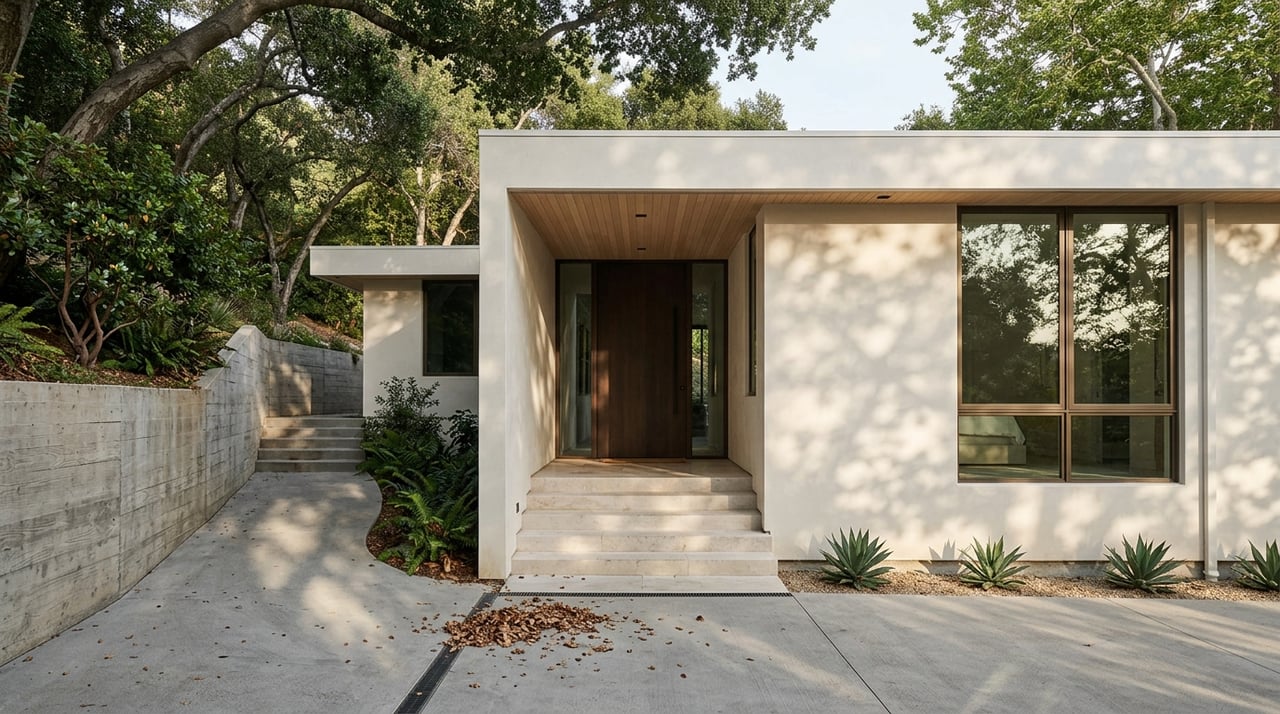
North of Montana is largely defined by single-family houses, often two stories, set on larger lots with more breathing room between homes. City planning materials also note that the area north of San Vicente includes small, winding streets and large, irregularly shaped lots.
That physical layout creates a quieter, more residential cadence from block to block. If you value calm streets and a more traditional primary-residence feel, this area tends to deliver that experience.
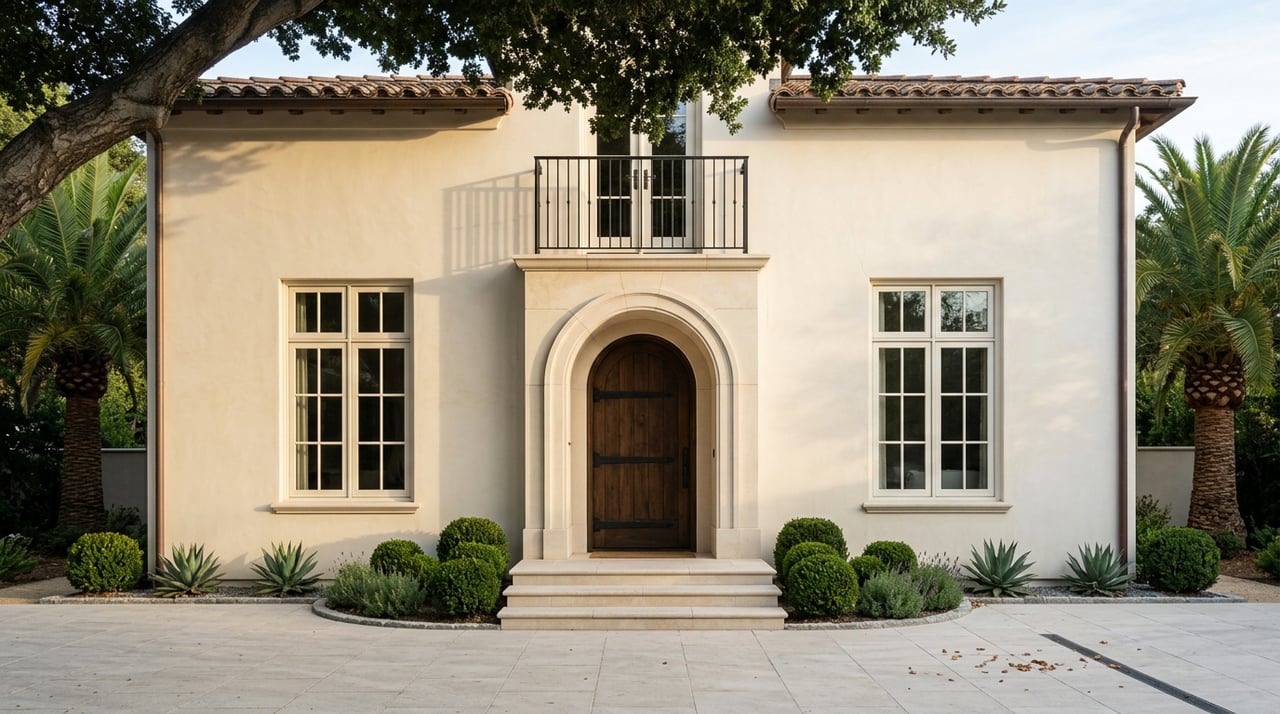
For buyers who pay attention to design, North of Montana offers notable variety. City records point to Period Revival, Ranch, Mid-Century Modern, and International style homes in the neighborhood.
This architectural range gives the area a layered, established feel rather than a one-note look. It also means buyers often compare not only square footage, but also lot placement, privacy, and how the home connects to its outdoor space.
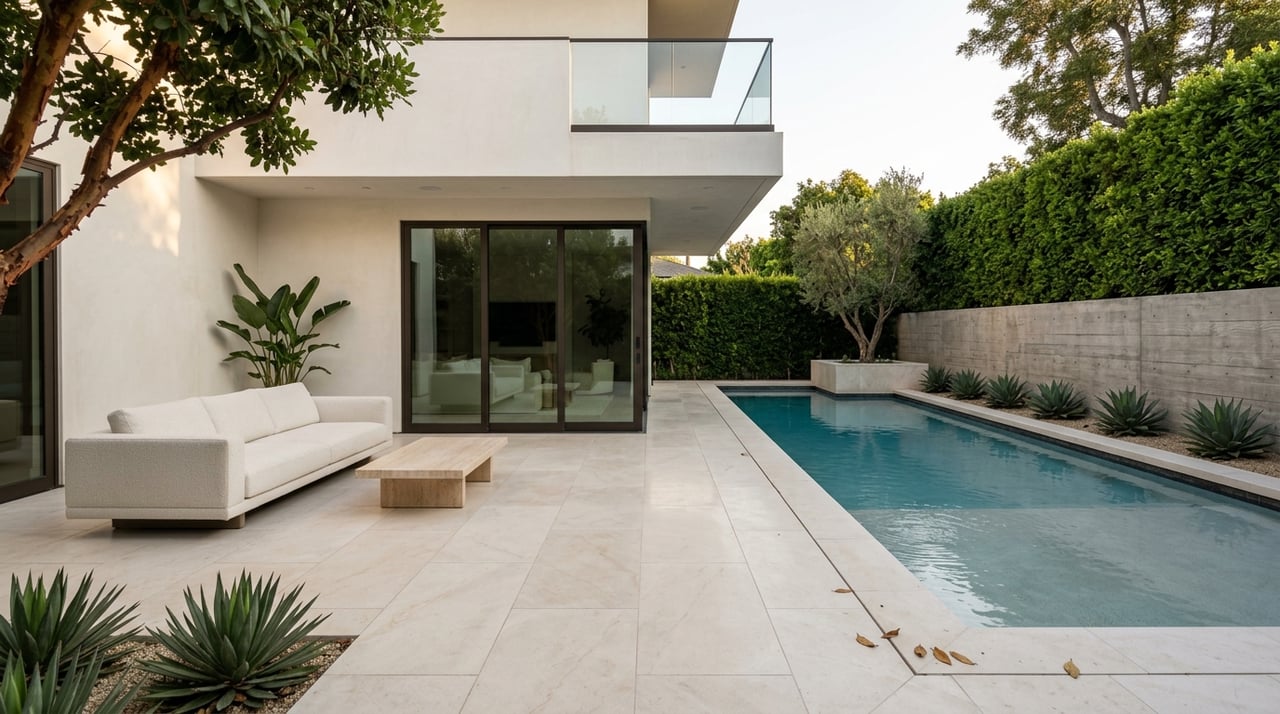
Because the neighborhood is built around larger lots and substantial setbacks, private outdoor space is a meaningful part of the appeal. The value proposition here is often tied to yard space, separation from neighbors, and a more self-contained home environment.
If your ideal Santa Monica home life centers on private outdoor living rather than shared amenities, North of Montana may feel like a more natural fit.
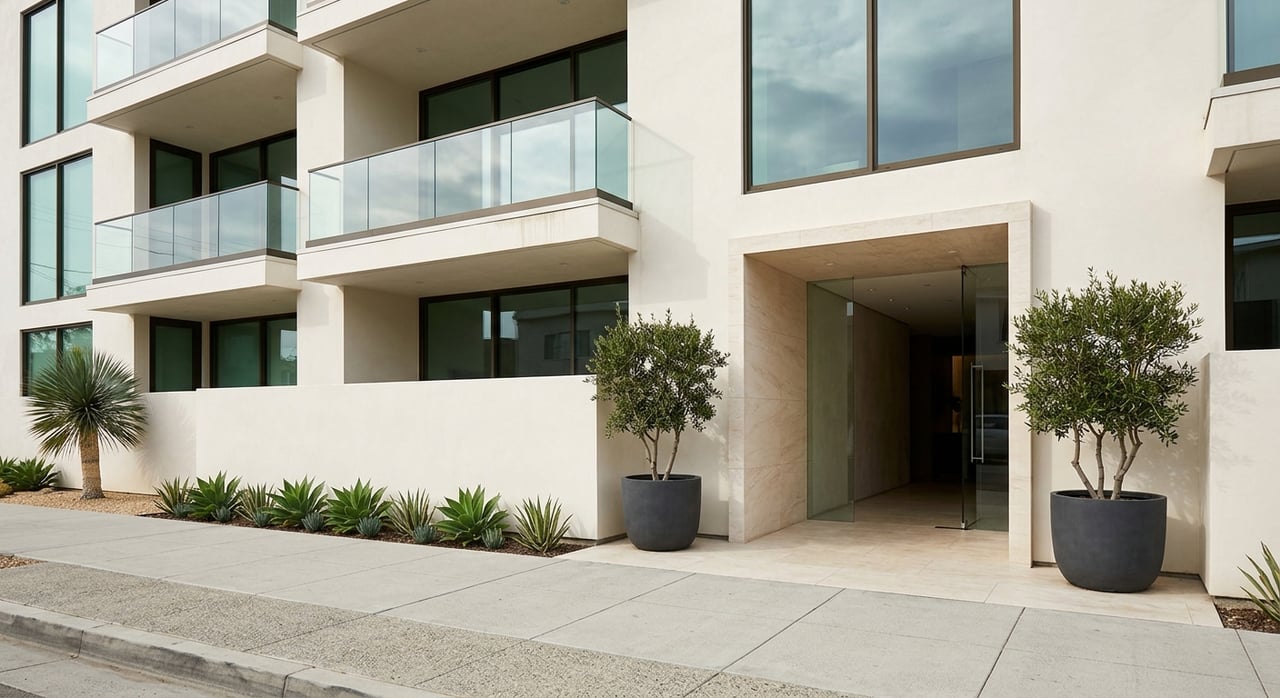
The oceanfront side of Santa Monica offers a very different experience. It is shaped by Ocean Avenue, Pacific Coast Highway, the beach, and park frontage, with more multi-family and mixed-use development and stronger day-to-day pedestrian activity.
This part of the city feels more connected to the public realm. You are closer to the beach, major open space, and one of Santa Monica’s most iconic corridors.
Ocean Avenue is one of the city’s most highly used streets, and recent city projects reinforce its urban coastal identity. Improvements include a protected bikeway, expanded sidewalks, outdoor dining space, and continuous pedestrian, transit, and bicycle access.
That investment supports a more active street life. If you enjoy movement, visibility, and easy access to the shoreline and surrounding amenities, the oceanfront delivers a more social and connected setting.
The oceanfront side is also more vertical in character. A recent Ocean Avenue development agreement added a mixed-use LEED Platinum project with housing, a full-service hotel, public open space, and a rooftop observation deck overlooking Santa Monica Bay.
In the nearby Civic Center and oceanfront area, city housing documents describe blocks west of Ocean Avenue as largely defined by post-World War II multi-family residential development. Compared with North of Montana, this creates a noticeably different sense of density and building form.
Oceanfront living trades larger private yards for a strong network of public outdoor space. Palisades Park stretches more than 26 acres along Ocean Avenue and includes walking paths, benches, picnic areas, a rose garden, public art, and the Camera Obscura Art Lab.
The Annenberg Community Beach House adds a pool, splash pad, playground, beach courts and fields, open seating, free Wi-Fi, and event space. Santa Monica also notes beach access paths to the water’s edge, electric beach wheelchairs, and reservable volleyball and beach-soccer court areas.
For many buyers, that means the neighborhood itself functions almost like an extended outdoor living room. You may have less private exterior space, but a far richer public recreation network just outside your door.
This is where the decision often becomes easier. North of Montana and the oceanfront can both be highly desirable, but they support different routines.
North of Montana remains residential in character, with commercial activity concentrated along Montana Avenue and Wilshire Boulevard. That land-use pattern suggests a lifestyle centered more on neighborhood errands and residential street life than on visitor traffic.
The oceanfront operates differently. The Ocean Avenue corridor connects the Downtown Santa Monica Metro light rail station to the beach and maintains pedestrian, vehicle, transit, and bicycle access along the full corridor.
Because Santa Monica is a major destination city, the waterfront also feels busier and more public-facing. If you like a lively setting with constant access to beach activity and movement, that may be a benefit rather than a drawback.
The better choice usually comes down to the kind of life you want to live once the move is complete. A home can be beautiful in either location, but the right fit depends on whether you want residential calm or coastal activation.
For some buyers, especially those who entertain guests or use a residence part-time, parking rules matter. Santa Monica issues overnight beach resident and guest parking permits only to residents within the beach-zone boundary east of the Pacific and west of Pacific Coast Highway, Ocean Avenue, and Neilson Way.
That is a small but useful operational detail to keep in mind if you are seriously considering a waterfront purchase.
For high-end buyers, the first question is rarely just price. The more useful question is what kind of everyday experience you want your Santa Monica home to deliver.
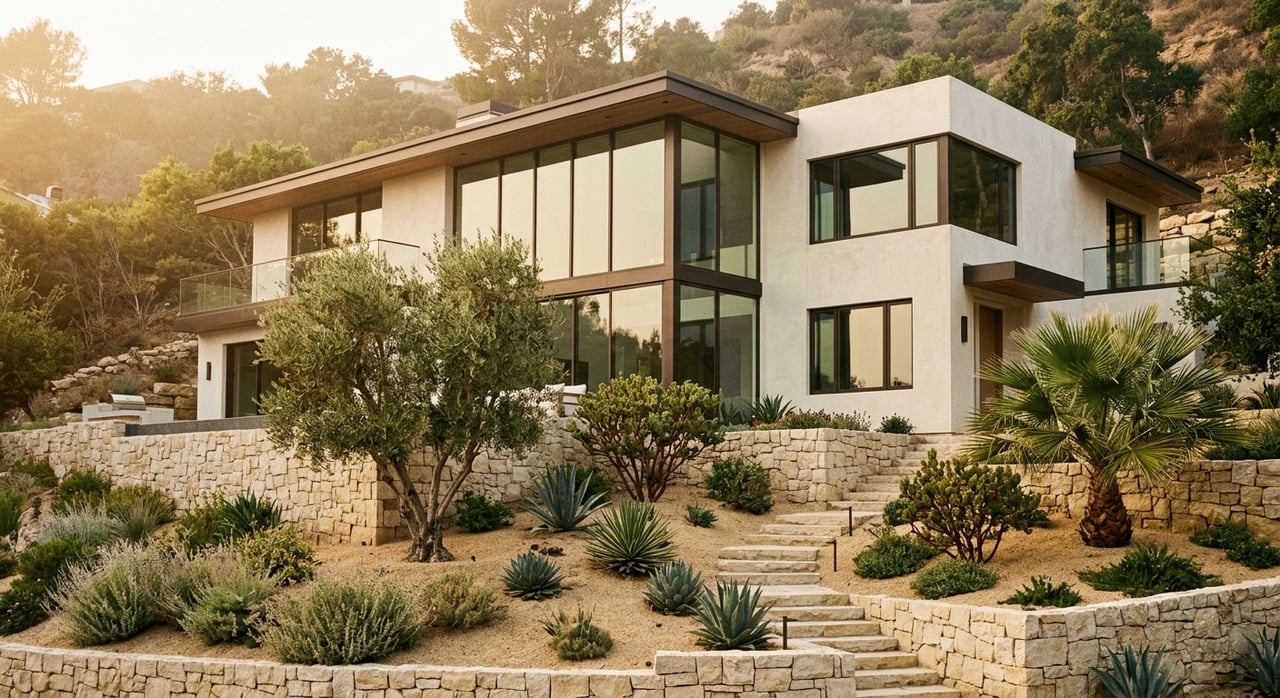
If you picture a home as a private retreat with architectural presence, lot depth, and a quieter residential setting, North of Montana often aligns with that vision. If you want beach adjacency, views, public open space, and a more activated coastal lifestyle, the oceanfront may be the better match.
For bicoastal buyers and second-home shoppers, the distinction can be especially important. One setting leans toward privacy and traditional residential calm, while the other supports convenience, access, and a more hospitality-style coastal experience.
There is no universal winner between North of Montana and the oceanfront in Santa Monica. The right choice depends on whether you want your home to feel more like a private residential estate or a front-row seat to the coast.
When you are buying in a market this nuanced, the details matter. Street pattern, lot size, building form, public space, and daily rhythm all shape how a home lives beyond the listing photos.
If you are weighing Santa Monica options and want discreet, high-touch guidance tailored to your lifestyle, connect with Nancy Ellin Realty Group - Hartleigh Haus for a private consultation.
Stay up to date on the latest real estate trends.
Whether you are relocating or an LA native, Nancy's knowledge, expertise and relationships will help buy or sell your home in Beverly Hills or Bel Air. Her full service approach, hand holding every step of the process while maintaining the highest level of attention to detail.