Pacific Palisades Relocation Guide for Westside Living
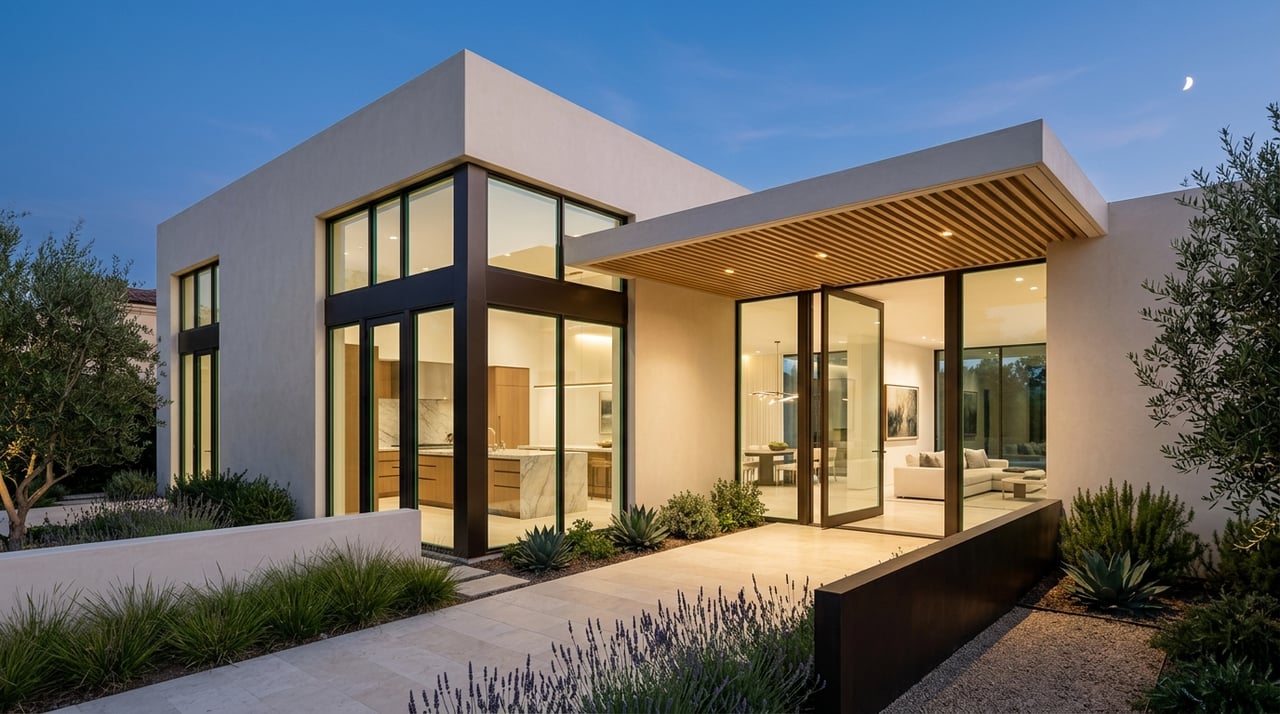
Looking for a Los Angeles home base that feels more private, more grounded, and still connected to the Westside? Pacific Palisades stands out for exactly that reason. If you want a coastal setting with a village center, access to open space, and a more residential rhythm than many denser parts of LA, this is one neighborhood worth a closer look. Let’s dive in.
Pacific Palisades sits on the western side of the Brentwood-Pacific Palisades Community Plan area, between Santa Monica, Malibu, the Pacific Ocean, and the broader Westside to the east. City planning materials describe it as a canyon-and-mesa landscape with substantial public open space. That setting helps shape the neighborhood’s identity as a quieter residential base rather than a tourist-driven destination.
If you spend time across the Westside, that distinction matters. You can stay tied into Santa Monica and the inland Westside corridor while coming home to a setting that feels lower-density and more removed from the pace of busier commercial districts. It is a practical choice for buyers who want both access and breathing room.
One of the clearest differences in Pacific Palisades is its physical layout. City planning describes the area as a bedroom community of mostly single-family homes and one of the lowest-density parts of Los Angeles. Commercial uses are concentrated in smaller clusters rather than spread across the neighborhood.
For you as a buyer, that often translates into a more privacy-oriented experience. Compared with denser Westside neighborhoods, the Palisades generally offers more single-family inventory and less multifamily concentration. That does not make it isolated, but it does give the neighborhood a more residential feel.
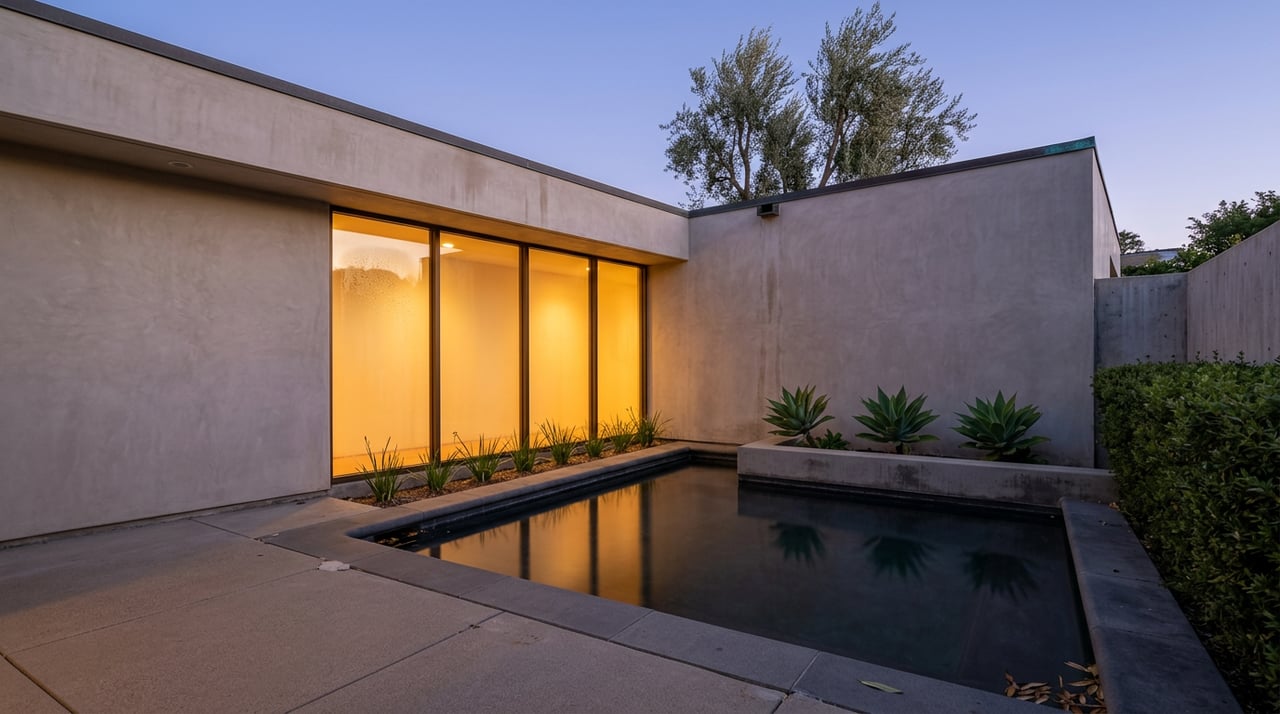
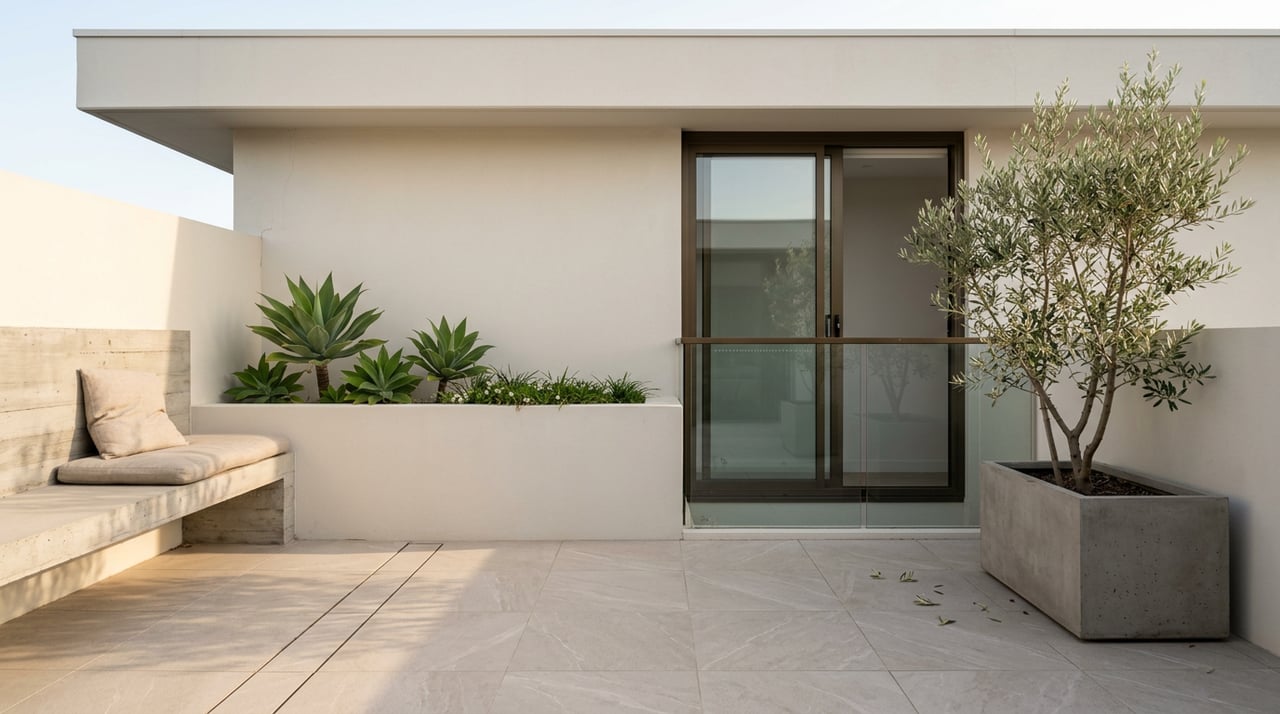
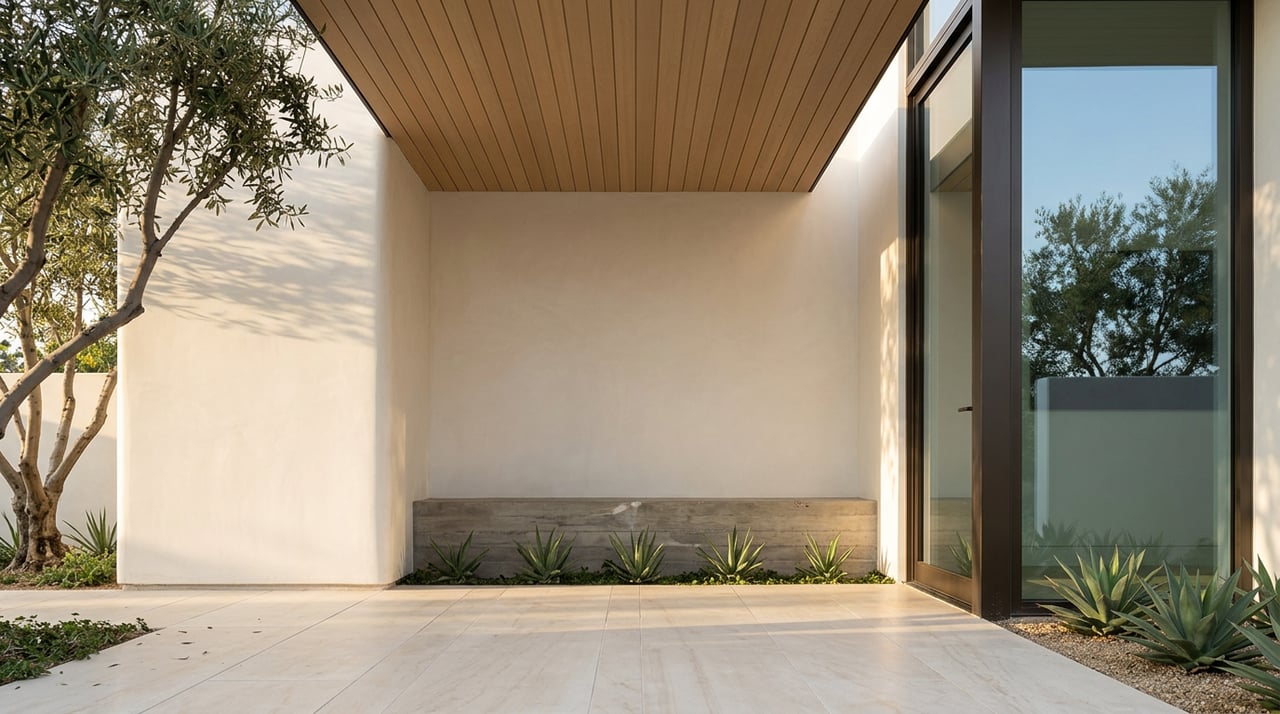
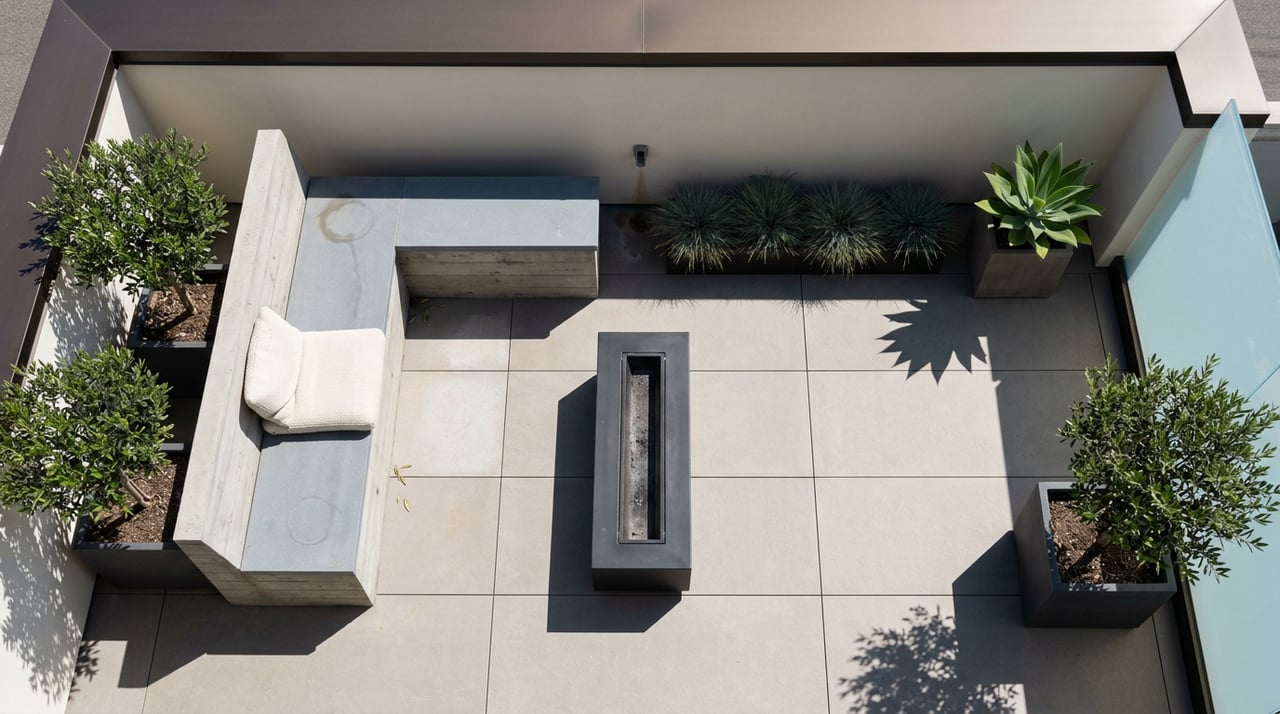
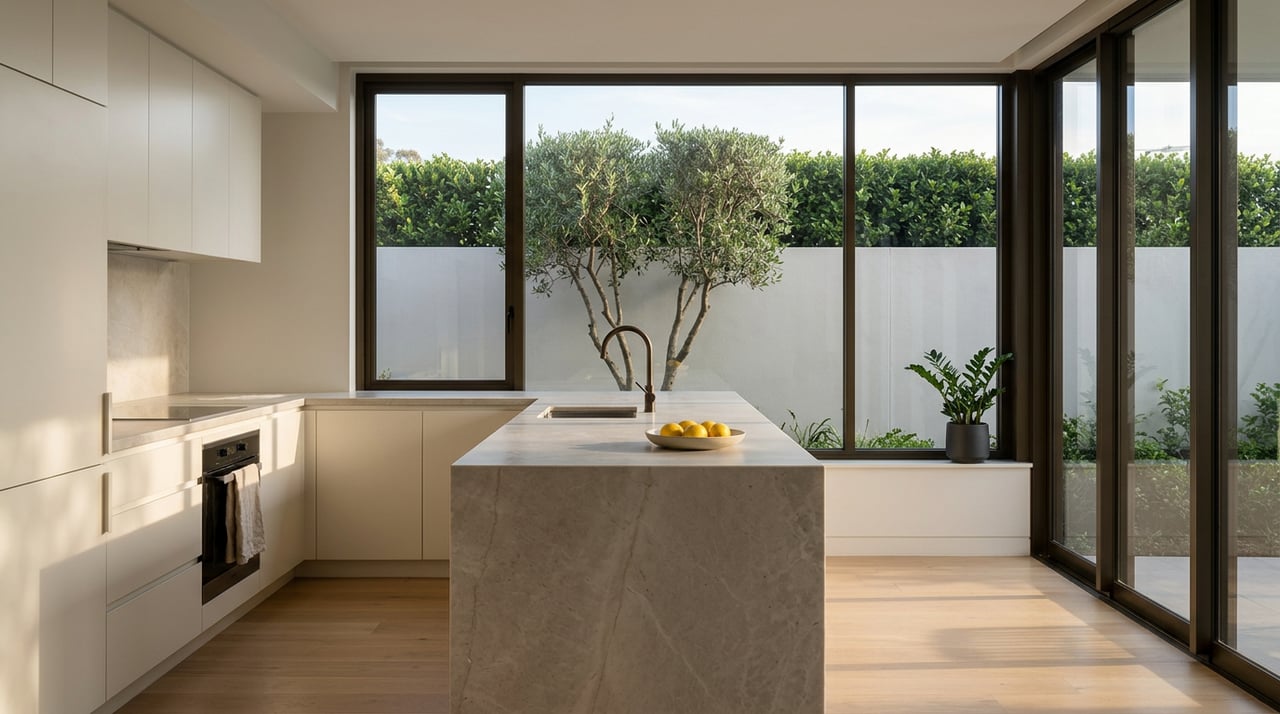
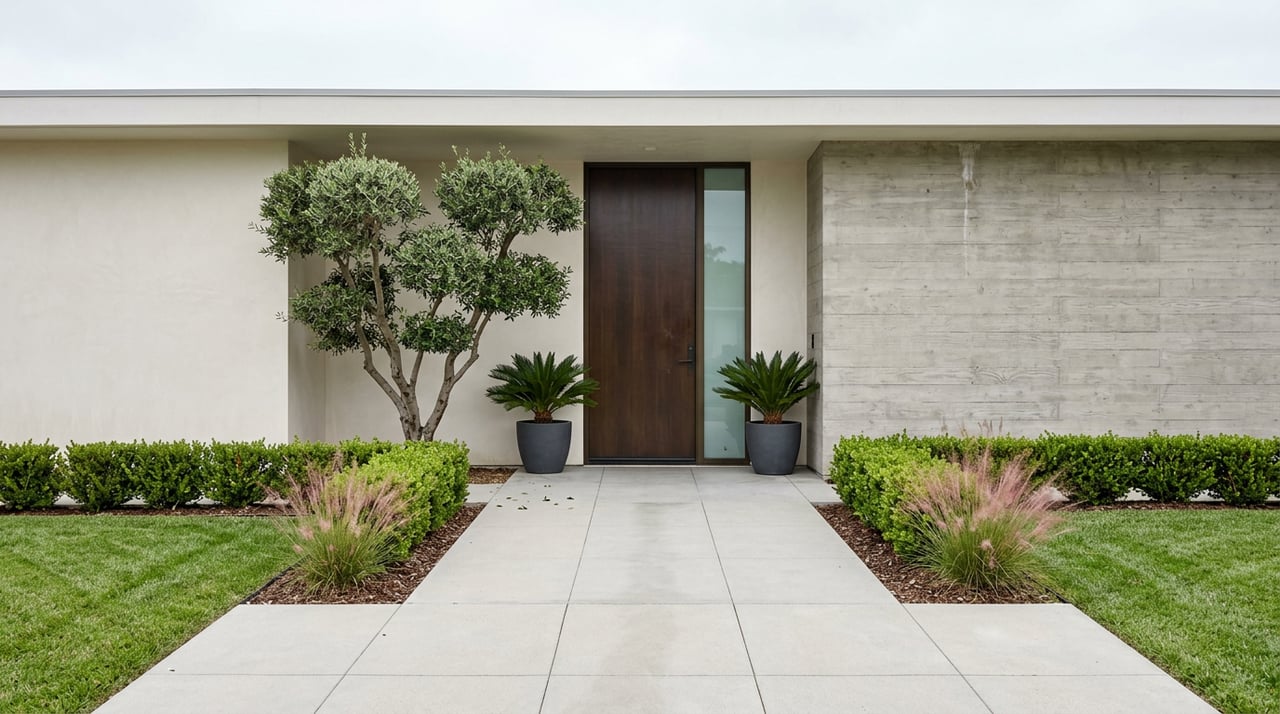
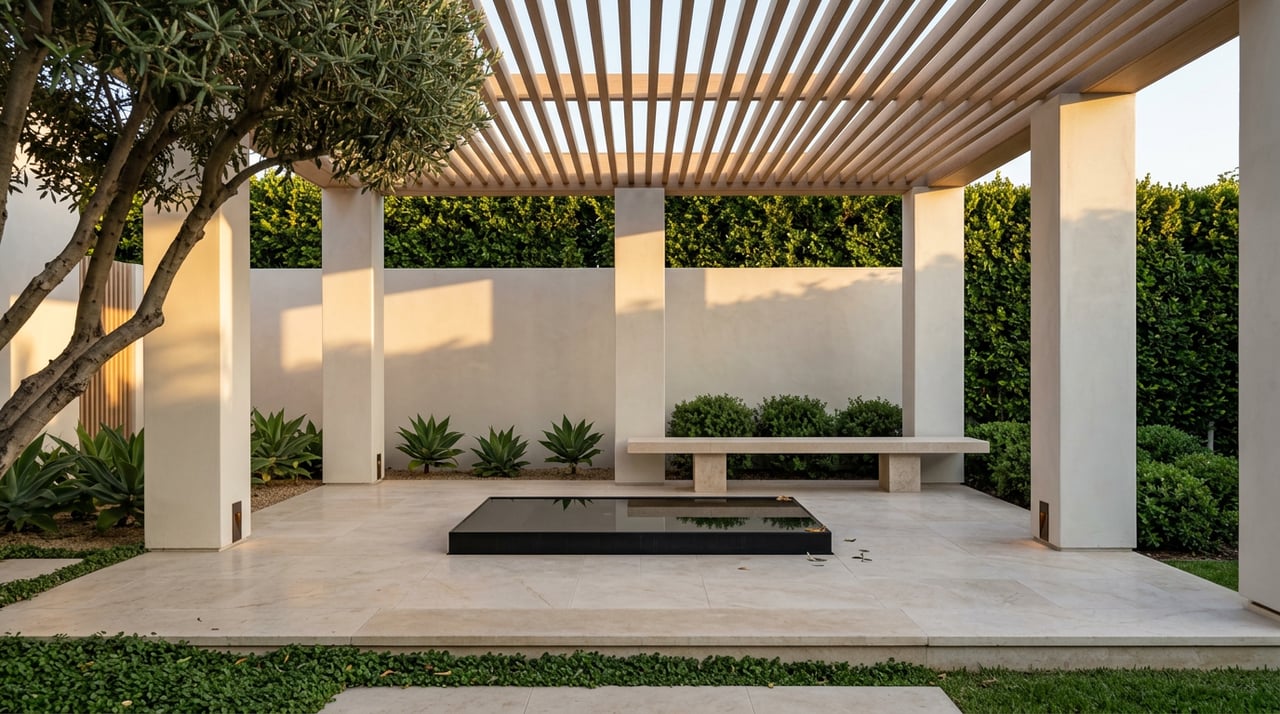
Pacific Palisades has a broad architectural range, which is part of its appeal. City survey materials identify Spanish Colonial Revival, modern, and ranch homes across the area, with many sites positioned to capture ocean, canyon, or city views. For buyers who care about design, setting, and outlook, that variety creates meaningful options.
The area also includes several distinct enclaves, including Santa Monica Canyon, Rustic Canyon, The Riviera, Castellammare, Miramar, and Huntington Palisades. Each has its own physical character and relationship to the coastline, canyons, or surrounding streetscape. If you are evaluating the Palisades as your Los Angeles base, it helps to compare these areas carefully rather than think of the neighborhood as one uniform market.
When buyers consider Pacific Palisades, a few themes tend to stand out:
For clients seeking a long-term home base, those traits can support both daily livability and long-range value.
Pacific Palisades is not built around large-scale commercial sprawl. The Pacific Palisades Commercial Village and Neighborhoods Specific Plan was created to keep commercial areas compatible with the surrounding residential community, preserve low-intensity community-oriented uses, and improve pedestrian orientation. That framework supports the neighborhood’s village-centered identity.
In practical terms, daily life here tends to revolve around a few defined commercial zones rather than a nonstop retail strip. That can appeal to buyers who want convenience without feeling immersed in heavy commercial activity. It also reinforces the sense that Pacific Palisades functions first as a residential community.
The Pacific Palisades Community Council further reflects that local, resident-led identity through its stated mission to protect and improve quality of life in the community. For many buyers, that kind of civic character is part of what makes the neighborhood feel established and intentional.
Palisades Village remains an important part of the neighborhood’s amenity base and identity as a walkable center. Caruso describes it as home to more than 40 boutiques, entertainment, and fresh-food experiences, and it is scheduled to reopen in August 2026. That is helpful context if you are planning a move and trying to understand what village life may look like over the next phase of recovery.
The key point is not to treat the neighborhood as frozen in time. Pacific Palisades is actively rebuilding, and some amenities are returning on a defined timeline. For buyers with a long-term view, that recovery context is part of the story.
Pacific Palisades offers a mix of coastal and canyon recreation that is hard to ignore. Will Rogers State Historic Park, located off Sunset Boulevard, includes day-use parking, hiking trails, horseback riding, picnic areas, and vista points. California State Parks lists a reopening event in November 2025 following damage from the January 2025 fire.
That outdoor setting extends beyond one park. The Rivas Canyon Trail from Will Rogers connects toward Temescal Gateway Park, which the Mountains Recreation and Conservation Authority describes as a 141-acre canyon park with ridgetop views and access into the broader Santa Monica Mountains trail system. At the same time, current availability can vary, and some recreation assets remain in recovery or closure status.
Will Rogers State Beach also remains part of the area’s coastal identity. Together, these assets help explain why Pacific Palisades often appeals to buyers who want a residential home base with direct ties to the beach, canyon trails, and open space. You are not just buying a house here. You are buying into a setting shaped by land, views, and outdoor access.
Any current look at Pacific Palisades should acknowledge where the neighborhood stands today. The City of Los Angeles continues to operate a Palisades recovery portal with a draft long-term recovery plan, rebuilding metrics, and stated priorities that include rebuilding homes and critical infrastructure, reopening schools and parks, and restoring community character.
City Planning has also noted that emergency executive action has streamlined rebuilding. In addition, a 2025 mayoral order created an administrative review path for some commercial rebuilds in the Pacific Palisades Commercial Village and Neighborhoods Specific Plan area. For buyers and sellers, this means the neighborhood is moving through a real recovery process, not standing still.
That context is important if you are weighing timing. Some clients may prefer to enter during a rebuilding phase with a longer horizon in mind, while others may want to wait for more amenities to come fully back online. Either way, a neighborhood-specific strategy matters.
In Los Angeles, people naturally ask about access. Pacific Palisades functions as part of the broader Westside network, with Sunset Boulevard, San Vicente Boulevard, and Pacific Coast Highway serving as major corridors in the community plan area. The neighborhood borders Santa Monica to the south and connects into the larger Westside geography to the east.
The most accurate way to think about it is not in terms of fixed commute promises. Traffic patterns in Los Angeles shift constantly. Instead, Pacific Palisades works well for buyers who want to stay connected to Santa Monica and the inland Westside corridor while living in a place that feels more residential, coastal, and low-density.
Pacific Palisades can be especially compelling if you want your Los Angeles home base to do several things at once. It can support privacy, design-driven housing preferences, coastal access, and a village-centered daily rhythm. That combination is not easy to replicate elsewhere on the Westside.
It may be a strong fit if you are looking for:
For many luxury buyers, the question is not simply where to live in Los Angeles. It is where you can land in a way that feels calm, connected, and enduring. Pacific Palisades often enters that conversation for good reason.
A neighborhood like Pacific Palisades asks for nuance. Inventory can vary widely by enclave, view orientation, lot setting, and recovery context. Two homes at similar price points may offer very different experiences depending on privacy, access, and how they relate to the landscape.
That is where tailored representation becomes especially valuable. If you are evaluating Pacific Palisades as your Los Angeles home base, you need more than a surface-level neighborhood summary. You need guidance that accounts for the micro-markets, the rebuild environment, and the type of lifestyle you want your property to support.
If you are considering a move to Pacific Palisades or weighing it against other Westside options, Nancy Ellin Realty Group - Hartleigh Haus offers discreet, high-touch guidance tailored to your goals. From private buyer representation to strategic insight across Los Angeles luxury markets, the team helps you move with clarity and confidence.
Stay up to date on the latest real estate trends.
Whether you are relocating or an LA native, Nancy's knowledge, expertise and relationships will help buy or sell your home in Beverly Hills or Bel Air. Her full service approach, hand holding every step of the process while maintaining the highest level of attention to detail.